When you’re investing in a tank for your farm or business, it’s not just about what works today — it’s about what’s still going to be doing the job years from now.
One of the most common questions people ask when comparing storage options is whether they should choose poly or steel. At first glance, it can seem like a simple materials decision. But in reality, it’s a question about longevity, maintenance, environment, and how the tank will be used over time.
Both poly and steel tanks have their place. But depending on what you’re storing, where the tank will be used, and the kind of conditions it needs to handle, one may be a far better fit than the other.
For Australian farms, industrial yards, transport operations and remote sites, durability isn’t just a nice extra — it matters. Harsh sun, weather exposure, rough use and day-to-day wear can all take a toll on storage systems over time.
So when it comes to poly vs steel tanks, which one actually lasts longer in Australian conditions?
The short answer is: it depends on the application — but in many situations, poly offers a strong long term advantage because it doesn’t rust, corrode or require the same level of maintenance as steel.
Here’s what’s worth considering before you choose.
Why This Comparison Matters
A tank isn’t usually something you want to replace in a hurry.
Whether you’re storing water, diesel, fertiliser or another liquid, the tank you choose becomes part of your operation. It affects day-to-day convenience, reliability, maintenance and long-term cost. So while the upfront price matters, it shouldn’t be the only thing driving the decision.
A tank that looks cheaper at the start can become the more expensive option if it needs constant maintenance, doesn’t handle the conditions well, or simply doesn’t last the way you expected.
That’s why comparing poly vs steel properly is about more than strength on day one. It’s about how the tank performs month after month, year after year, in the real world.
Steel Tanks: Where They’ve Traditionally Been Used
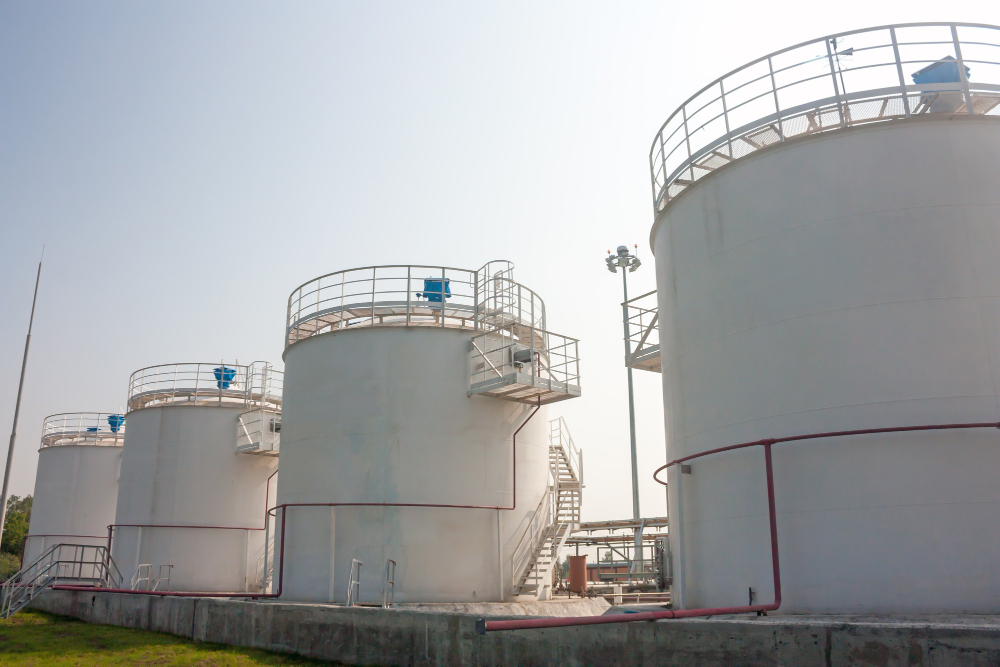
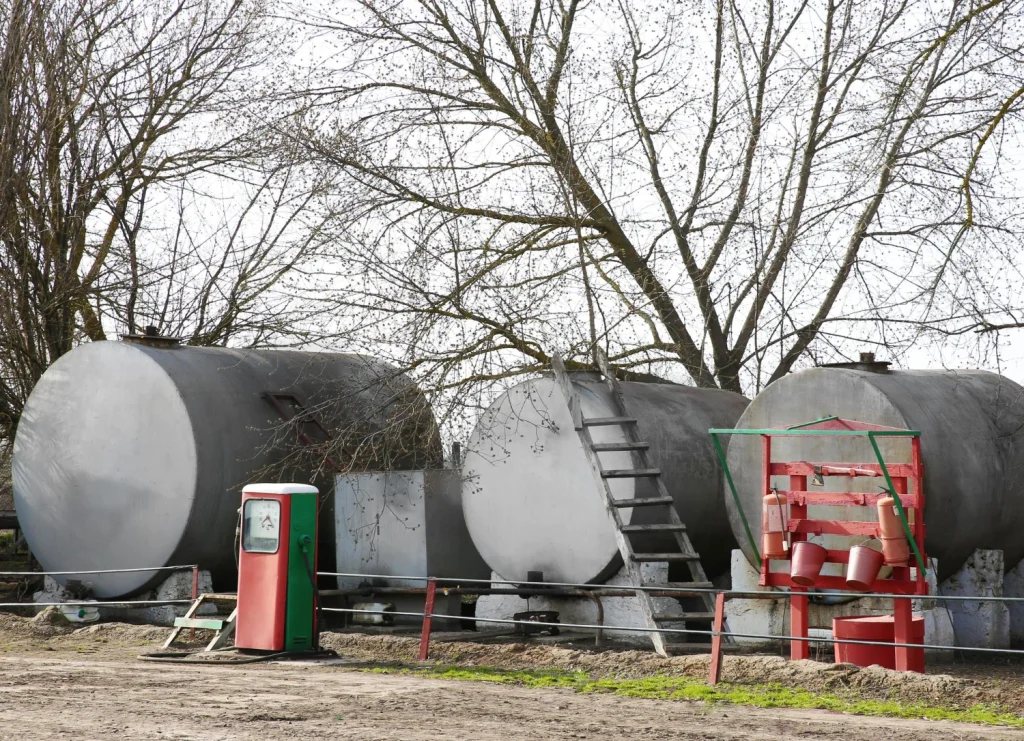
Steel tanks have been around for a long time, and in the right application they can still be a suitable option. Many businesses are familiar with steel because it has traditionally been used across agriculture, industry and fuel storage.
Steel can offer a solid, rigid structure and may be preferred in some specialised applications. But when people talk about durability, it’s worth separating “strong” from “long-lasting in real conditions.”
Because while steel may feel tough, it also comes with one of its biggest long-term disadvantages: it can rust and corrode over time.
That’s especially important in Australian environments where tanks are often exposed to heat, moisture, changing weather conditions, and day-to-day wear.
Poly Tanks: Built For Practical Durability
Poly tanks have become increasingly popular across agriculture and industry for one simple reason: they’re practical.
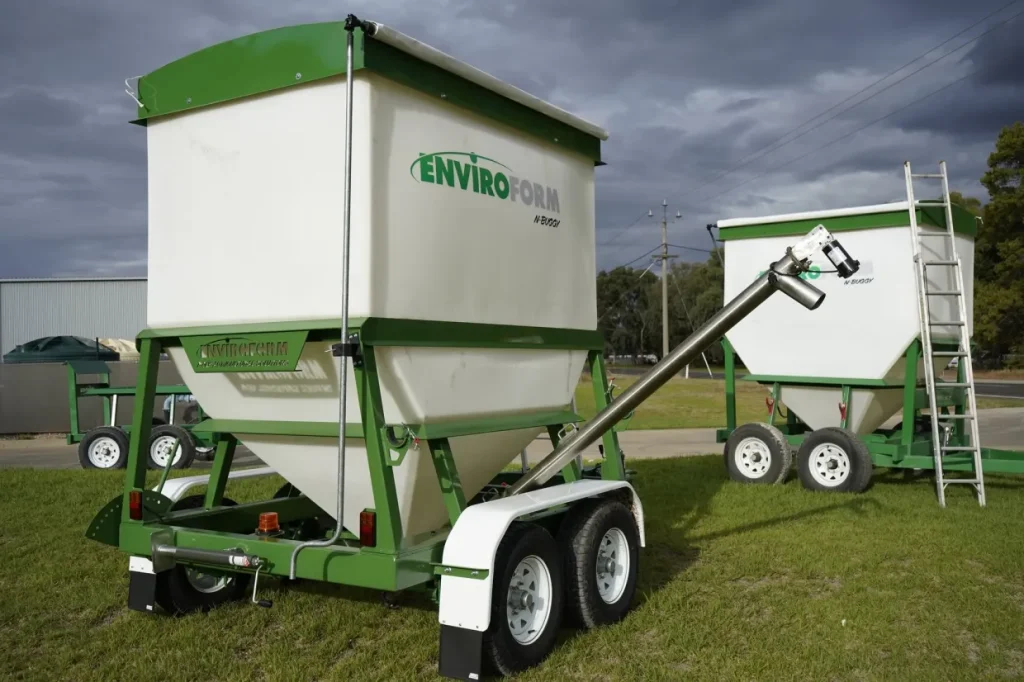
A well-made poly tank is lightweight compared to steel, resistant to rust and corrosion, and often easier to maintain over time. In many Australian applications, that gives poly a major advantage — especially when the tank is expected to sit outdoors, handle tough conditions, and keep doing its job without becoming a maintenance problem.
Poly is particularly well-suited to operations that want:
- Low-maintenance storage
- Resistance to rust and corrosion
- Long-term durability in outdoor conditions
- A practical solution for water, diesel, fertiliser or chemical storage
- A tank that’s built for real farm or industrial use
Of course, not all poly tanks are made the same. Build quality, design, wall thickness and intended application all matter. But when comparing like-for-like quality, poly often holds a strong edge when it comes to long-term everyday practicality.
The Biggest Difference Over Time: Rust and Corrosion
If you’re asking which tank is likely to last longer in Australian conditions, this is one of the most important parts of the conversation.
Steel tanks can be vulnerable to:
- Rust
- Corrosion
- Weather-related wear
- Internal deterioration depending on what’s stored inside
- Ongoing maintenance requirements
Poly doesn’t rust. It doesn’t corrode in the same way steel can. And for many businesses, that changes the ownership experience completely.
You’re not just choosing a tank material — you’re choosing the kind of maintenance and long-term upkeep that comes with it.
For farms and businesses that want a tank they can rely on without constantly worrying about corrosion, this is one of the biggest reasons poly is often the preferred option.
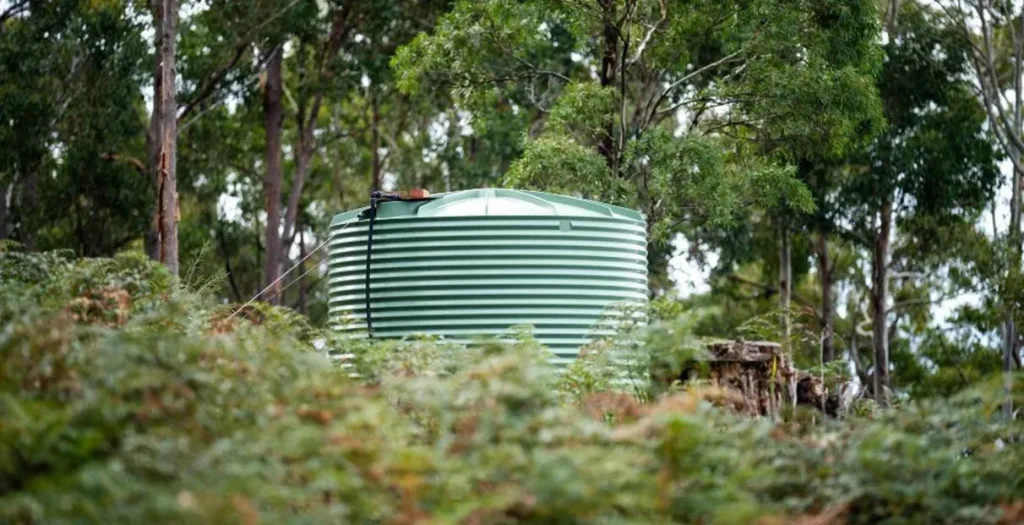
Australian Conditions Are Hard on Storage Equipment
This is where the conversation gets real.
A tank in Australia doesn’t live in a showroom. It might spend years in the sun, in a paddock, beside a shed, on a transport site, or in an industrial yard where it’s exposed to dust, machinery traffic, weather and everyday wear.
That’s why durability isn’t just about the material itself. It’s about how that material behaves over time in real conditions.
When comparing poly and steel, it’s worth asking:
- Will the tank be exposed to harsh sun and weather?
- Is it being used in a rural, remote or high-traffic area?
- Will it need to handle rough daily use?
- Do you want a tank that’s low maintenance once it’s installed?
In many of these environments, poly performs strongly because it removes one of the biggest long-term issues associated with steel: deterioration through rust and corrosion.
Maintenance is Part of the Lifespan Conversation
A tank’s lifespan isn’t only about whether it physically survives. It’s also about how much work it takes to keep it in good working order.
That’s where the poly vs steel comparison becomes especially relevant.
With steel, maintenance may involve monitoring for rust, dealing with corrosion over time, and managing wear that can affect the tank’s condition or appearance. Depending on the application, that may be manageable — but it’s still part of the ownership equation
Poly tanks are often chosen because they simplify that side of things. For many users, the appeal isn’t just that poly lasts — it’s that it can keep doing its job without demanding the same level of ongoing attention.
If your goal is a practical storage solution that’s built to work hard and stay low-fuss, that matters.
Longevity isn’t Just About the Material — it’s About the Right Application
If your goal is a practical storage solution that’s built to work hard and stay low-fuss, that matters.
The question isn’t always “Is poly better than steel?”
The better question is:
“Which material makes more sense for what I’m storing, where the
tank is going, and how I need it to perform?”
That’s because the right answer depends on:
- What the tank is storing
- Whether it’s above ground or part of a larger system
- How exposed it is to the elements
- How important low maintenance is to your operation
- Whether the tank is for agriculture, transport, industrial use or a specialised setup
In many Australian agricultural and industrial applications, poly makes a lot of sense because it’s durable, practical and resistant to the kinds of issues that shorten the life of steel over time.
So, Which One Lasts Longer?
If we’re talking about everyday durability in Australian outdoor conditions, poly has a clear advantage in many applications because it doesn’t rust, doesn’t corrode like steel, and generally requires less maintenance over time.
That doesn’t mean steel never has a place. But for many farms and businesses looking for a long-term storage solution that can handle real Australian conditions without becoming a maintenance headache, poly is often the smarter long-term option.
The key is choosing a tank that’s not only made from the right material — but also built properly for the job.
Choosing the Right Tank is About More Than Materials
Material matters, but it shouldn’t be the only thing you compare.
Before choosing a tank, it’s worth thinking about:
- What you’re storing
- How much capacity you need
- Where the tank will be used
- How often it’ll be accessed
- Whether you want a low-maintenance setup
- And how the tank fits into your wider operation
A tank is an investment in the way your business runs. The best option is the one that gives you confidence not just today, but years down the track.
Need Help Choosing Between Poly and Steel?
At Enviroform, we work with Australian farms, contractors and businesses looking for storage solutions that are practical, durable and built for real conditions.
If you’re weighing up poly vs steel and want to talk through what makes the most sense for your application, we’re always happy to help.
Whether you’re storing water, diesel, fertiliser or another product, our team can help point you towards a solution that suits your operation.
Talk to Enviroform About the Right Tank for Your Operation
If you’re planning a new storage setup or replacing an existing tank, get in touch with the Enviroform team.
Tell us:
- What you’re storing
- Your approximate capacity requirements
- Where the tank will be used
- And what kind of operation it’s forc
We’ll help you work through the options and find a practical solution built for Australian conditions.
Frequently asked questions
Are poly tanks better than steel tanks?
It depends on the application, but in many Australian farm and industrial settings, poly tanks are preferred because they don’t rust, resist corrosion, and generally require less maintenance over time.
Do steel tanks rust over time?
Steel tanks can be vulnerable to rust and corrosion, especially when exposed to weather, moisture, or demanding outdoor conditions. The extent depends on the application, environment and maintenance.
Do poly tanks last in Australian conditions?
A well-made poly tank can perform very well in Australian conditions, particularly when designed for outdoor agricultural or industrial use. They’re often chosen for their durability, corrosion resistance and low maintenance nature.
Which lasts longer: a poly tank or a steel tank?
In many outdoor Australian applications, poly tanks can offer a strong long-term advantage because they don’t rust or corrode like steel. The best option still depends on what you’re storing and how the tank will be used.
Can Enviroform help me choose the right tank?
Yes. If you tell us what you’re storing, the capacity you need and where the tank will be used, we can help point you towards a practical storage solution for your operation.