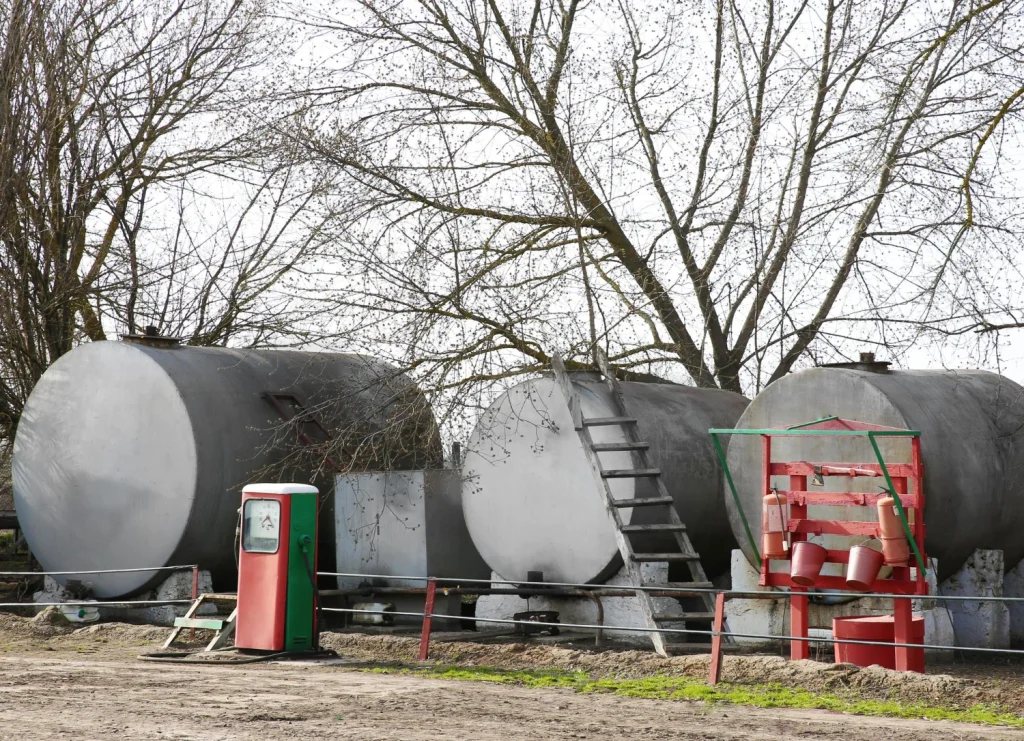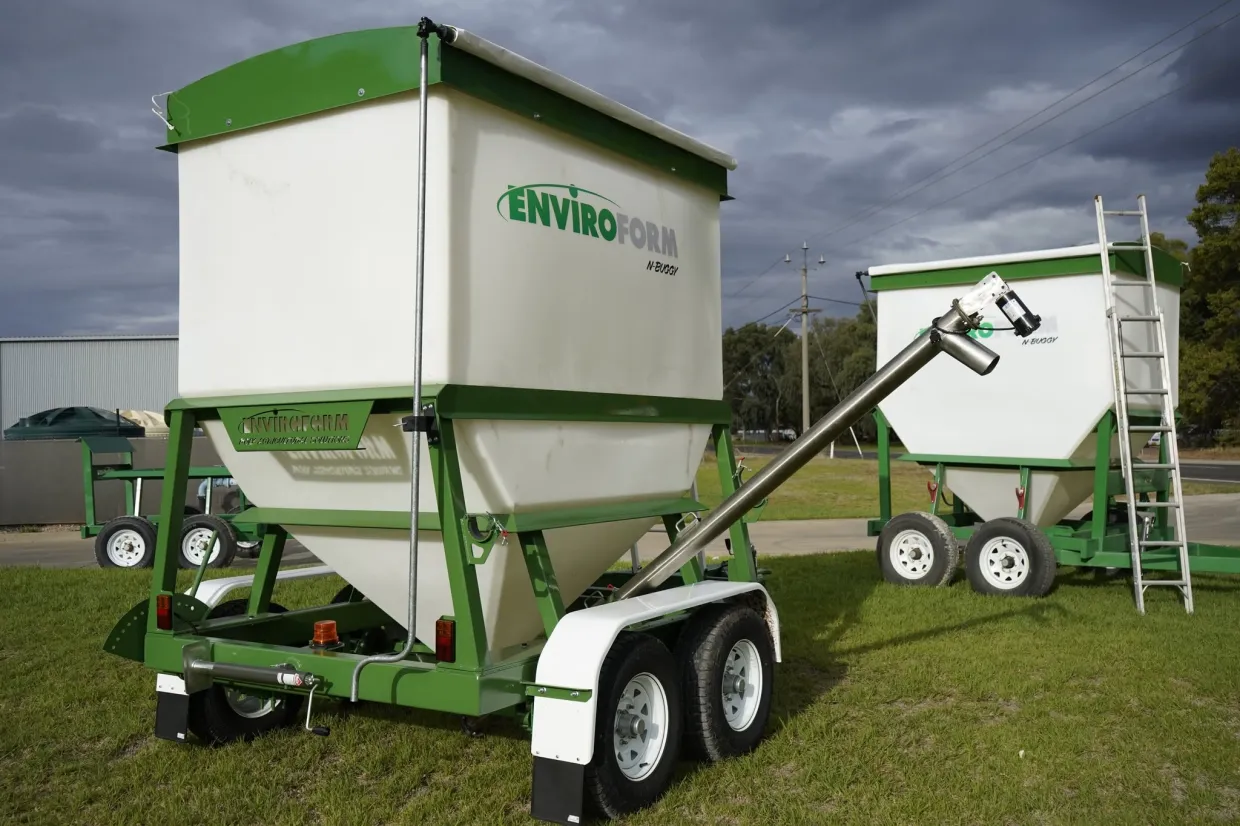
A good fertiliser mixing system should do more than just hold product — it should make your operation easier, cleaner and more efficient.
For many farms and ag businesses, liquid fertiliser handling has changed a lot over the years. What used to be a fairly simple storage setup can now involve mixing, batching, transferring and managing multiple products across a much busier operation.
That’s why choosing a fertiliser mixing system isn’t just about buying a tank and hoping it does the job. The right setup should suit the way your business works day to day — from how much product you handle, to how often you mix, where the system is located, and how easily it fits into your workflow.
Get it right, and a fertiliser mixing system can save time, reduce mess, improve consistency and make life a lot easier during busy periods. Get it wrong, and it can create ongoing frustration, awkward handling and a setup you outgrow too quickly.
At Enviroform, we know that not every farm or business needs the same solution. Some operations need a simple, reliable system. Others need something more integrated and heavy-duty that can keep up with higher demand.
If you’re looking at a new fertiliser mixing system or upgrading an old one, here are the key things worth thinking about before you buy.
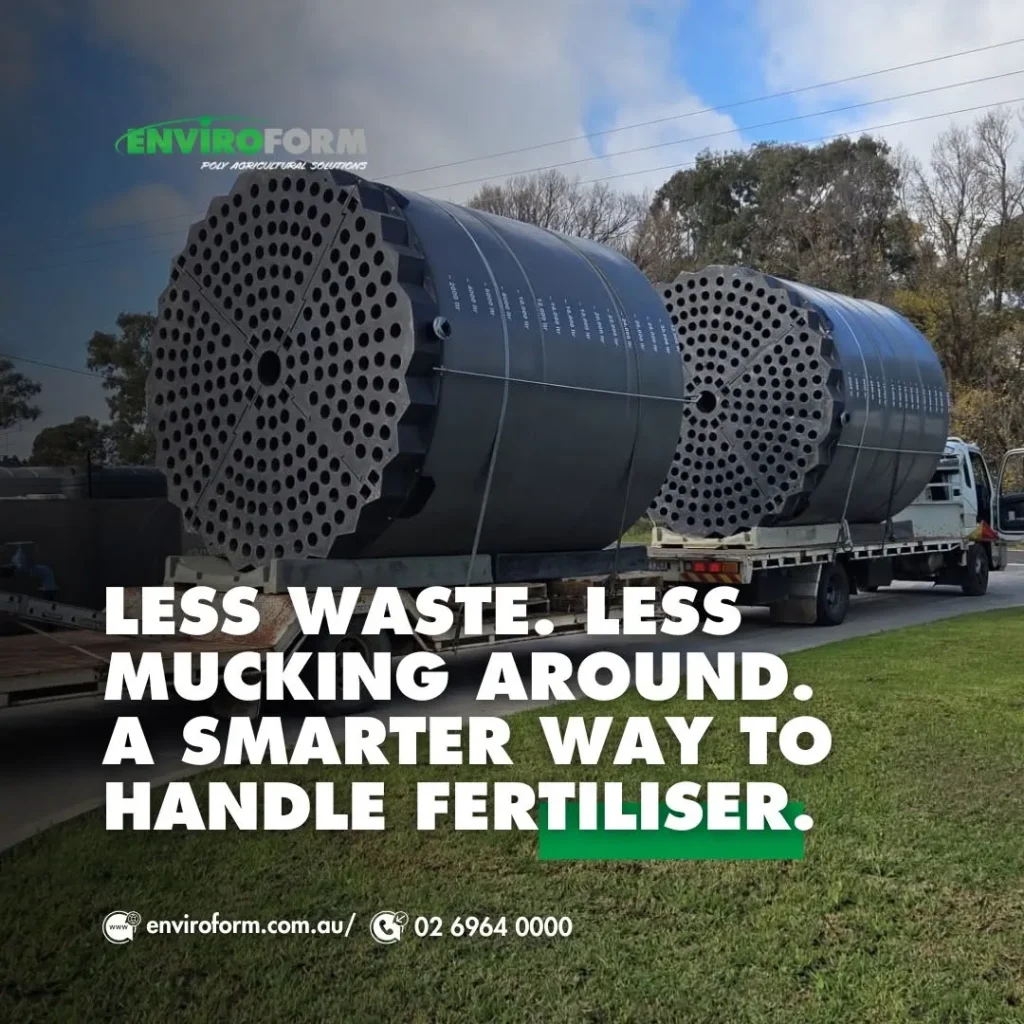
1. Start with How Your Operation Actually Uses Liquid Fertiliser
Before comparing system options, it helps to take a step back and look at how fertiliser is actually used in your business.
Ask yourself:
- How often are we mixing or transferring liquid fertiliser?
- Are we handling one product or multiple products?
- Are we mixing small batches regularly or larger volumes at a time?
- Is the system for a broadacre operation, a spray contractor setup, or a more specialised use case?
- How many people will be using it?
These questions matter because the best fertiliser mixing system isn’t necessarily the biggest or most complex one — it’s the one that fits your workflow.
If you’re regularly moving product during busy periods, running multiple batches, or trying to keep up with a larger operation, a basic storage-only setup may quickly become frustrating. On the other hand, if your needs are simpler, you may not need to overcomplicate things.
The first step is understanding what your operation actually needs the system to do.
2. Don’t Just Think About Storage — Think About the Full Mixing Process
This is one of the biggest mistakes people make when buying a fertiliser system.
A fertiliser tank on its own might store product, but that doesn’t automatically mean it creates an efficient mixing setup. When you’re looking at a fertiliser mixing system, it’s worth thinking about the full process from start to finish.
That includes:
- How product is loaded into the tank
- How mixing happens
- How product is transferred out
- How easy it is to clean, refill and use day to day
- Whether the setup supports your current workflow or slows it down
A good system should help simplify the job, not create extra steps.
If your team is constantly working around a clunky layout, awkward transfer points or a setup that doesn’t suit the way fertiliser is actually handled on your property, it can quickly become a drain on time and effort.
3. Choose a System Size That Matches Both Your Workload and Your Workflow
Capacity matters — but not in isolation.
When people ask what size fertiliser mixing system they need, the answer usually depends on more than just total litres. It also depends on how the system fits into the rhythm of the operation.
A few practical things to think about:
- How much fertiliser do you typically mix at a time?
- How often do you need to run batches?
- Are you trying to reduce refill frequency?
- Do you need enough capacity to get through peak periods without constantly stopping to reload?
- Will the system still make sense if the business grows or your usage changes?
A system that’s too small can slow things down and create constant bottlenecks. A system that’s oversized without a clear reason may add unnecessary cost or take up more space than you need.
The goal is to choose a setup that makes the work smoother, not one that creates a new problem.

4. Look at How Product Will Be Transferred In and Out
A fertiliser mixing system isn’t just about the tank itself — it’s also about how the product moves through the system.
Before buying, think about:
- How fertiliser will be loaded into the system
- Whether you need a pump or transfer equipment
- Where the outlet points need to be
- Whether hoses, valves or fittings are practical for the way you work
- How easy it is to empty or clean the tank when needed
This is often where a “good enough” system starts to fall short in real life. If transfer points are awkward, if mixing and unloading take too long, or if the setup isn’t practical for the people using it, the system can become more of a hassle than a help.
A well-thought-out fertiliser mixing setup should support the whole job — not just the storage part of it.
5. Think About Where the System Will Be Located
Location plays a bigger role than many people expect.
A fertiliser mixing system might be installed in a shed, near a chemical storage area, beside a workshop, or out in a part of the property where access and space matter just as much as the tank itself.
Before choosing a system, ask:
- Where will the unit be positioned?
- Is there enough space for safe access, filling and transfer?
- Will vehicles or machinery need to move around it?
- Will the system be exposed to weather, dust or rough daily use?
- Is the location practical during the busiest parts of the season?
A setup that looks good on paper can become difficult to live with if it doesn’t suit the site. That’s why it’s worth considering layout, access and day-to-day practicality before locking anything in.
6. Durability Matters — Especially in Agricultural Environments
Fertiliser systems aren’t used in perfect conditions.
They’re often part of fast-moving, hands-on agricultural operations where equipment gets used hard and needs to keep performing through long days, busy seasons and outdoor conditions. That’s why durability matters just as much as capacity or layout.
When comparing options, it’s worth asking:
- Is the system built for regular farm use?
- Is it designed to handle the realities of an agricultural environment?
- Will it stand up to outdoor conditions, heavy handling and the pace of day-to-day work?
- Is it built with long-term reliability in mind?
A fertiliser mixing system should be something you can rely on when the pressure is on — not something that becomes another weak point in the operation.
7. The Right System Should Make Life Easier For the People Using It
This is where practical design really matters.
It’s easy to focus on litres, fittings and technical details, but at the end of the day, a fertiliser mixing system has to work for the people using it. If the system is hard to access, awkward to operate or too complicated for the actual workflow on farm, it won’t feel like a good investment for long.
A practical setup should help with things like:
- Easier filling and mixing
- Smoother transfer
- Less mess and less wasted time
- Better access for operators
- A workflow that feels simple rather than frustrating
The best systems are the ones that fit naturally into the operation instead of forcing the operation to work around them.
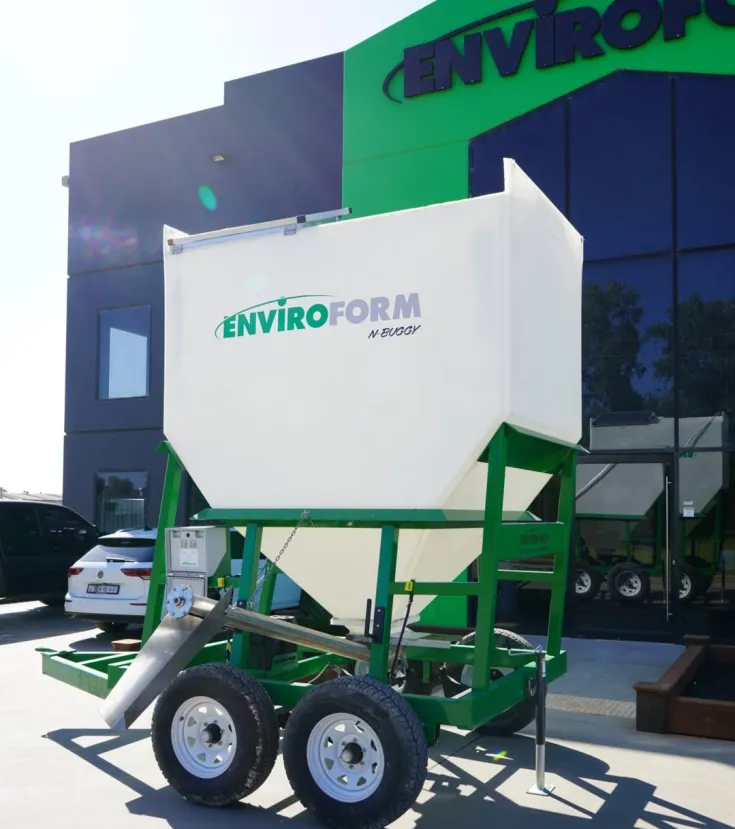
8. Think About Whether You Need a Standard Setup or Something More Tailored
Not every operation fits neatly into a standard system.
Some farms and businesses can work well with an off-the-shelf fertiliser mixing solution. Others may need something more tailored depending on volume, layout, product type, transfer needs or the way the wider system is set up.
You may need to think more carefully about your options if:
- Your workflow is more complex than a simple fill-and-mix setup
- You’re trying to integrate the system into an existing site or process
- You need multiple functions from one setup
- Standard options don’t quite suit your operation
In those cases, it’s worth talking to a supplier who understands the practical side of how these systems are actually used — not just the product specs.
9. Don’t Buy Based On Price Alone
Price always matters, but it shouldn’t be the only thing driving the decision.
A cheaper fertiliser system can quickly become the expensive option if it slows down the operation, creates avoidable maintenance issues, or simply doesn’t suit the way your business runs. On the other hand, the right system can pay for itself in time saved, smoother workflow and fewer headaches during busy periods.
When comparing options, it helps to ask:
- Will this system still work well for us in 12–24 months?
- Is it going to make life easier or harder?
- Does it suit the way we actually operate?
- Are we buying something practical, or just something cheap?
The right fertiliser mixing system should feel like an asset to the business, not a compromise you end up working around.
Choosing the Right Fertiliser Mixing System Comes Down to Practicality
There’s no one-size-fits-all answer when it comes to fertiliser mixing systems. The right setup depends on your operation, your workflow, your volume requirements and how you want the system to function day to day.
What matters most is choosing a system that’s practical, durable and designed around real use — not just something that looks good in a brochure.
At Enviroform, we work with Australian farms and businesses looking for storage and mixing solutions that are built for the job. Whether you need a straightforward system or something more tailored to your setup, the goal is the same: make the process easier, more efficient and more reliable in the long run.
Need Help Choosing the Right Fertiliser Mixing System?
If you’re planning a new setup or upgrading an existing fertiliser system, the Enviroform team can help you work through the options.
To get started, it helps to know:
- What product you’re storing or mixing
- How much volume you typically handle
- Whether you need a standard or more tailored setup
- And where the system will be used
Get in touch with Enviroform to discuss a fertiliser mixing solution that suits your operation.
Frequently asked questions
What is a fertiliser mixing system?
A fertiliser mixing system is designed to help store, mix and transfer liquid fertiliser as part of a farm or agricultural operation. Depending on the setup, it may include storage tanks, mixing capability and transfer components that help make handling product more efficient.
How do I choose the right fertiliser mixing system?
Start by looking at how much fertiliser you handle, how often you mix, where the system will be located and how the product needs to move through your operation. The best system is one that suits your workflow, not just your storage volume.
What size fertiliser mixing system do I need?
That depends on your batch sizes, refill frequency, seasonal demand and the way your operation uses liquid fertiliser. It’s worth choosing a system that suits both your current workload and the way you expect the business to operate in the near future.
Can a fertiliser mixing system be customised?
In some cases, yes. If your workflow, site layout or volume requirements don’t suit a standard setup, it may be worth discussing a more tailored solution.
Can Enviroform help me choose the right fertiliser system?
Yes. If you can share a bit about your operation, what you’re mixing, your expected volume and how you need the setup to work, the Enviroform team can help point you in the right direction.