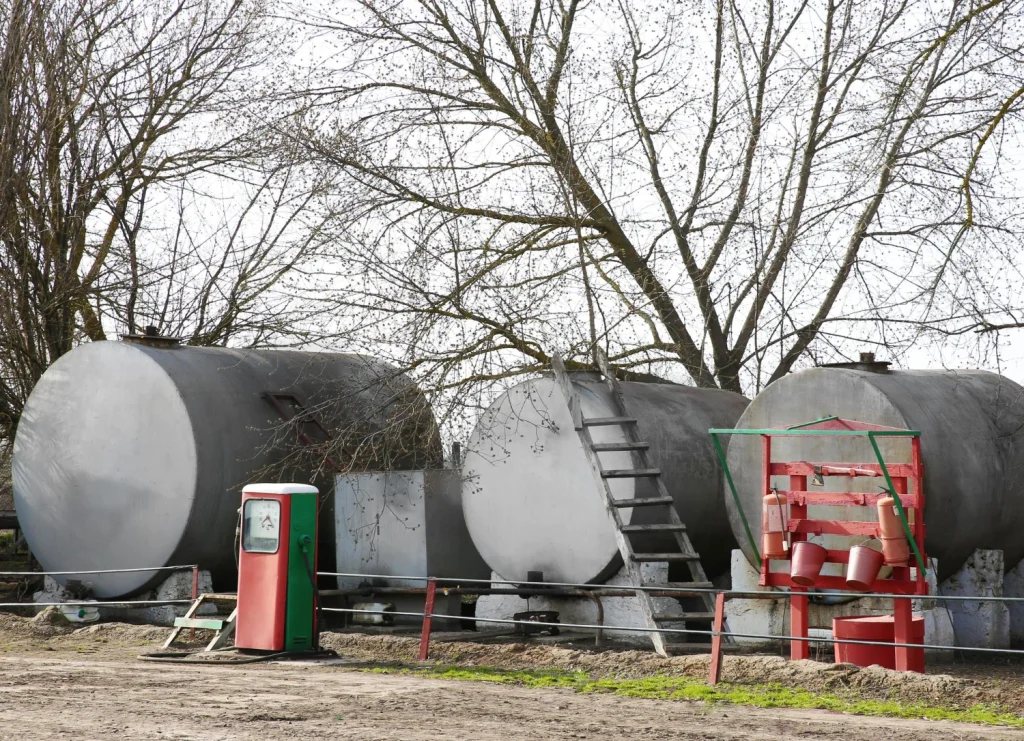
Sometimes the problem isn’t that you haven’t found the right tank — it’s that a standard tank was
never the right answer to begin with.
For many farms and businesses, an off-the-shelf tank does the job perfectly well. If your needs are straightforward and the setup is simple, a standard product can be the most practical option.
But not every operation works that way.
Sometimes the challenge isn’t just storing water, diesel, fertiliser or chemicals. It’s trying to make a tank fit into a workflow, site layout or piece of equipment it wasn’t really designed for. That’s where businesses can end up working around the product instead of the product working for them.
A custom poly solution isn’t always about doing something overly complex. Often, it’s about solving a practical problem properly — whether that means a different shape, a different footprint, a more suitable transfer setup, or a tank designed to suit a specific piece of equipment or application.
At Enviroform, custom solutions are often driven by one simple thing: making the setup work better in the real world.
If you’ve been trying to make a standard tank “good enough”, here are some signs it may be time to look at a custom poly solution instead.
1. The Standard Tank Doesn’t Fit the Space You Actually Have
One of the clearest signs you may need a custom solution is when the available space is driving the decision more than the tank itself.
This can happen when:
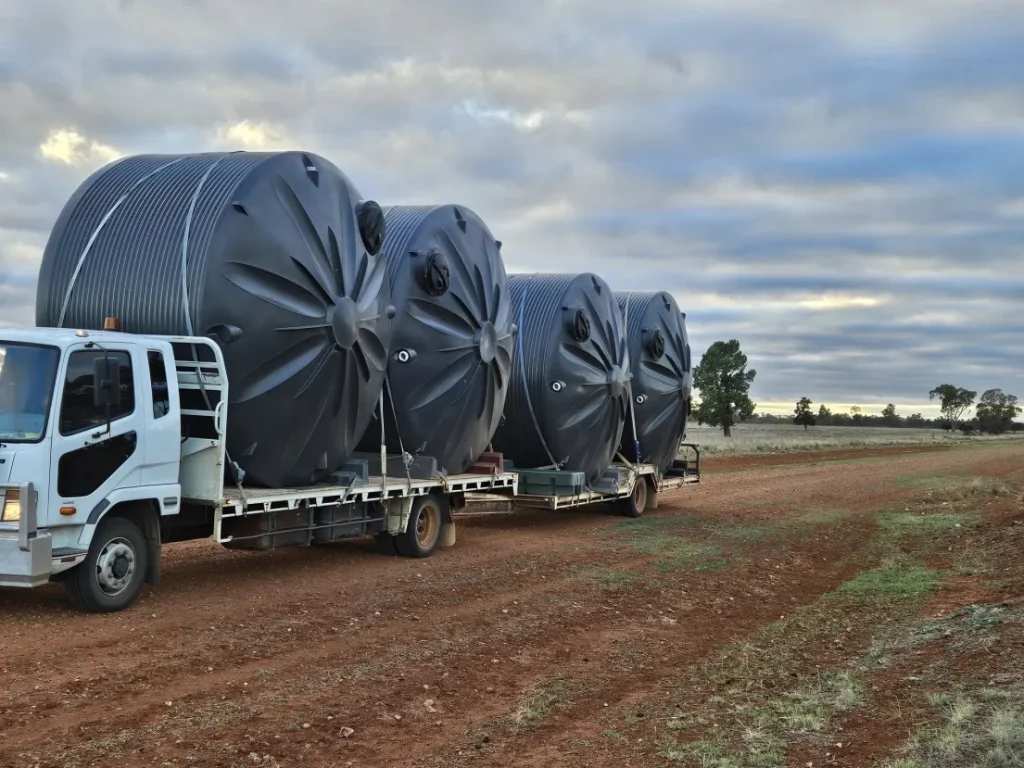
- The tank needs to fit on a vehicle, trailer or skid
- The available area on-site is awkward or restricted
- You’re trying to work around sheds, existing infrastructure or access points
- A standard footprint wastes too much space or creates access issues
In these cases, the problem isn’t just “finding a tank that’s close enough”. It’s making sure the solution
actually works within the physical layout of your operation.
A custom poly tank can be designed around the space available rather than forcing your setup to work
around a standard shape that doesn’t quite fit.
2. You’re Trying To Make One Tank Do a Job It Wasn’t Designed For
Not every storage or transfer challenge can be solved with a standard product.
Sometimes businesses buy a tank because it’s available, affordable or close to what they need — only to find later that it doesn’t really suit the application
That might look like:
- Using a standard tank in a setup that needs more specialised transfer points
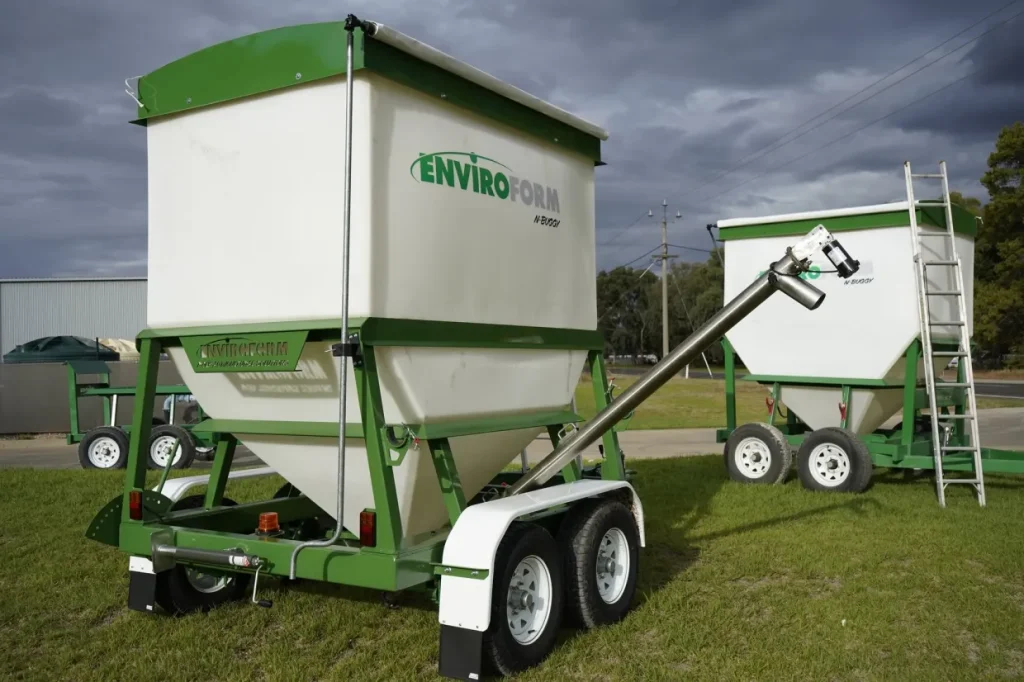
- Trying to adapt a tank to a machine, trailer or frame it wasn’t designed for
- Needing extra functionality beyond simple storage
- Working around a setup that’s awkward to fill, drain or access
If you’re regularly modifying the way you work to suit the tank, it’s worth asking whether the tank is actually the right solution at all.
A custom poly solution may be the better option if the product needs to do more than a standard storage job.
3. Your Operation Has Outgrown A Basic Setup
A system that worked well a few years ago doesn’t always keep up as the business changes. You may have started with a simple tank setup when volumes were lower, the workflow was smaller, or the operation was less complex. But over time, things change. More machinery, more product movement, more staff or more demanding turnaround times can expose the limitations of a setup that used to be “good enough”.
Signs you may have outgrown the current system include:
- Constant workarounds to keep things moving
- Wasted time during filling, transfer or unloading
- Awkward access for staff or machinery
- A setup that no longer matches current production or usage demands
- Recurring frustration because the system doesn’t suit how the business now operates
In situations like that, a custom solution can help redesign the setup around the way the operation actually works today — not the way it worked years ago.

4. You Need a Tank To Work With Equipment, Not Just Sit Beside It
Some tanks are part of a broader process rather than a standalone storage unit.
For example, the tank may need to:
- mount onto a vehicle, trailer or frame
- integrate with pumps, hoses or transfer equipment
- work within a fertiliser, spray or diesel system
- suit a specific machine or operational layout
- line up with existing fittings or site infrastructure
This is where custom design can make a major difference. Instead of trying to retrofit a standard tank into a setup it was never built for, a custom solution allows the product to be designed around the equipment and application from the start.
That often leads to a cleaner, more practical and more reliable result.
5. You’ve Got a Problem That’s Specific To Your Site or Industry
Not every challenge looks the same across agriculture, transport, industrial work or remote operations.
A contractor moving liquid products between sites may need something very different from a farm mixing fertiliser in one location. A remote site with limited access may need a more integrated, lowmaintenance setup. A business replacing a failing steel system may need a product built around existing infrastructure or operational constraints.
In these cases, the question isn’t just “What tank do we sell?”
It’s “What problem are we trying to solve?”
That’s often where a custom poly solution makes the most sense — when the answer needs to be shaped around the site, the workflow, and the realities of the job.
6. Standard Fittings, Outlets or Access Points Don’t Work For Your Workflow
Sometimes the tank size is fine. The issue is everything around it.
If the outlets, lids, access points or transfer layout don’t suit the way your team actually uses the system, the tank can quickly become frustrating to live with.
You may find yourself dealing with:
- Awkward filling or unloading
- Poor hose or pump placement
- Difficult access for operators
- Unnecessary mess or wasted time
- Repeated modifications just to make the setup usable
These are the kinds of issues that don’t always show up in a brochure — but they absolutely show up in day-to-day operations.
A custom solution can help make sure the tank works the way it needs to, not just the way a standard unit happens to be built.
7. You Want A Better Long-term Solution, Not Another Short-term Workaround
One of the most common reasons businesses look at custom solutions is because they’re tired of patching together a setup that was never quite right in the first place.
If you’ve already spent time adapting, modifying or replacing parts of a system just to make it usable, it may be more cost-effective in the long run to step back and solve the problem properly.
A custom poly solution isn’t always about spending more. Often, it’s about reducing compromise.
That could mean:
- Building around the available space
- Improving the flow of product through the system
- Reducing wasted time
- Creating a more durable setup for the conditions
- Giving the business a solution that actually fits the way it operates
In the long run, that can be a smarter investment than continuing to work around a standard product
that was never quite the right fit.
So, When Does A Custom Poly Solution Make Sense?
A custom solution is worth considering when:
- the space or footprint is unusua
- the tank needs to work with equipment or a larger system
- standard fittings or layouts don’t suit the job
- the operation has outgrown a simple setup
- the cost of “making do” is starting to outweigh the cost of doing it properly
- the problem is specific enough that an off-the-shelf product just doesn’t solve it well
That doesn’t mean every job needs something custom. But when a standard tank keeps creating compromise, it’s usually a sign that the setup itself needs a different approach.
The Best Solution Is the One That Works In The Real World
At the end of the day, most businesses aren’t looking for a “custom product” for the sake of it. They’re looking for a setup that works — one that fits the site, suits the workflow, handles the conditions and solves the problem without creating three new ones.
That’s where custom poly solutions can add real value. Not because they’re complicated, but because they’re practical.
At Enviroform, the goal is simple: build storage and transfer solutions that suit the way Australian farms and businesses actually operate. Sometimes that’s a standard product. Sometimes it’s a custom solution designed around a specific challenge.
The important thing is getting the right fit for the job
Need A Tank Solution That’s Built Around Your Operation?
If you’re dealing with a setup that doesn’t quite work, a space that’s difficult to fit, or a standard tank that’s forcing too many compromises, talk to the Enviroform team.
We can help you work through:
- What the tank or system needs to do
- Where it needs to fit
- What product it needs to store or transfer
- And whether a custom poly solution makes sense for your operation
Get in touch with Enviroform to discuss a practical solution built for your site, workflow and application
Frequently asked questions
What is a custom poly tank solution?
A custom poly solution is a tank or storage/transfer setup designed around a specific application, space, workflow or operational requirement rather than using a standard off-the-shelf product.
When would I need a custom tank instead of a standard one?
You may need a custom solution if a standard tank doesn’t fit the space, doesn’t suit the way product needs to be transferred, or creates too many compromises in your day-to-day operation.
Can a custom poly tank be designed for farm or industrial use?
Yes. Custom poly solutions are often used in agricultural, transport and industrial applications where the tank needs to fit a particular site, machine, frame or workflow.
Is a custom tank always more expensive?
Not necessarily. While a custom solution can involve more design consideration, it may save money in the long run if it reduces workarounds, improves efficiency and avoids the cost of repeatedly modifying a standard setup.
Can Enviroform help work out whether a custom solution is needed?
Yes. If you can explain what the setup needs to do, where it needs to fit and what challenges you’re dealing with, the Enviroform team can help you work through whether a standard or custom solution makes more sense.